
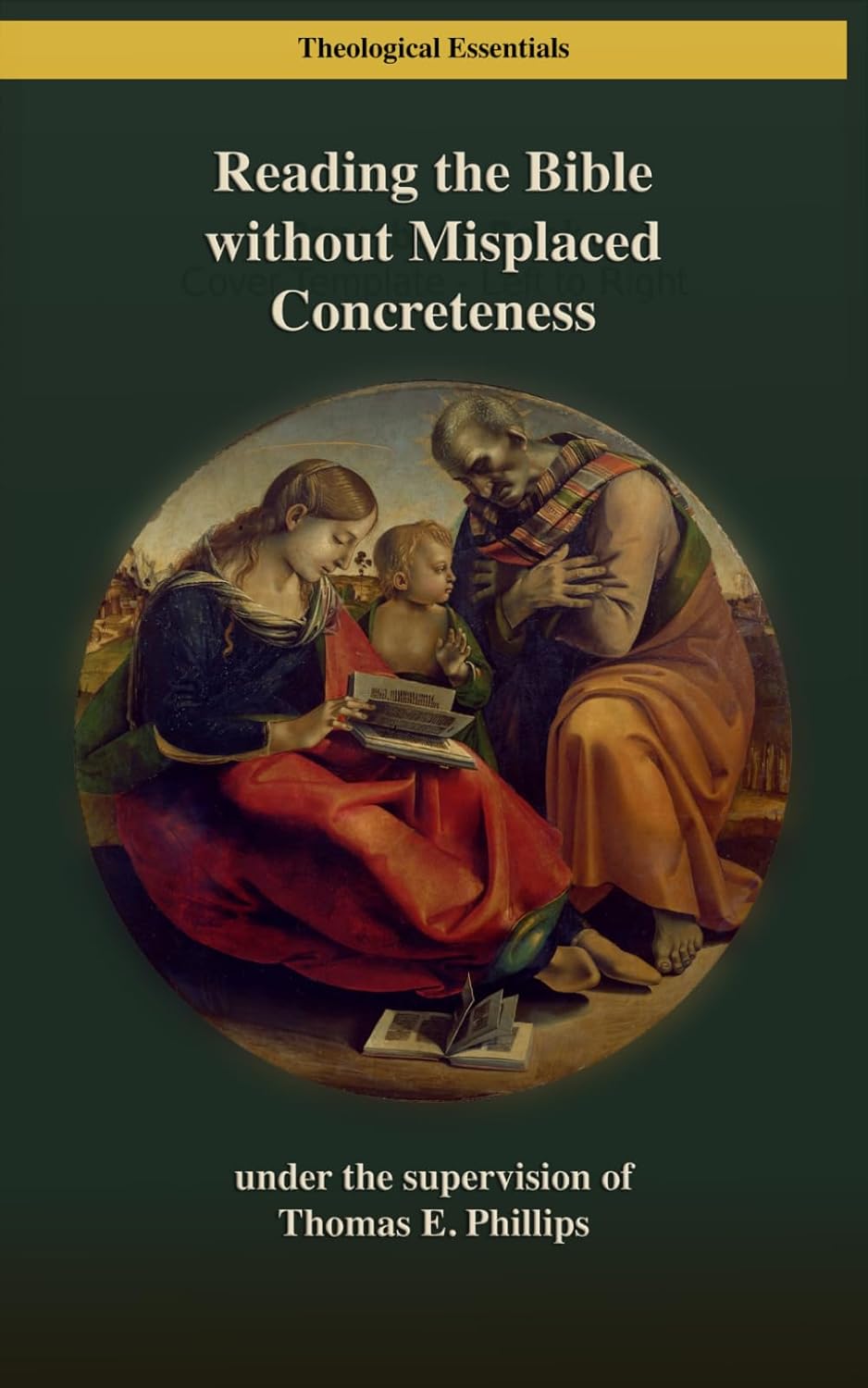
Reading the Bible without Misplaced Concreteness: Reflections on Developmental Theory and the Reading Process as Prolegomena to Biblical Interpretation by Thomas E. Phillips
$14.99
Reading the Bible without Misplaced Concreteness offers a bold and timely rethinking of biblical interpretation for a world marked by diversity, disagreement, and deep longing for truth. Moving beyond the false choice between rigid certainty and interpretive relativism, it brings together the developmental insights of William Perry and the literary theory of Wolfgang Iser to explore not only what interpretation is, but how it happens.
Description
Reading the Bible without Misplaced Concreteness offers a bold and timely rethinking of biblical interpretation for a world marked by diversity, disagreement, and deep longing for truth. Moving beyond the false choice between rigid certainty and interpretive relativism, it brings together the developmental insights of William Perry and the literary theory of Wolfgang Iser to explore not only what interpretation is, but how it happens. Readers are invited to consider how their own intellectual and moral formation shapes the way they read Scripture, and how meaning itself emerges through the dynamic interaction between text and reader. Far from treating interpretation as the retrieval of fixed meanings, this work presents it as a living, unfolding process grounded in both responsibility and participation.
At the heart of this vision is a compelling account of reading as “consistency making,” in which readers actively engage textual gaps, tensions, and possibilities to construct coherent meaning over time. Meaning is not simply found but formed—shaped through the reader’s ongoing effort to connect, interpret, and respond to what the text gives and withholds. This process, however, is neither arbitrary nor purely subjective: the text guides and constrains interpretation even as readers participate in bringing it to life. The result is a nuanced hermeneutic that honors both the integrity of the text and the active role of the reader, calling interpreters to a practice marked by intellectual rigor, ethical responsibility, and openness to growth. In this way, Scripture becomes not a static object to be mastered, but a living dialogue that continues to generate meaning within the life of the reader and the community of faith.
Only logged in customers who have purchased this product may leave a review.
Related products
-
Introduction to the Acts of the Apostles by Thomas E. Phillips
$15.99 Add to cart -
Progress, Not Perfection: A Progressive Christian Journey Through the 12 Steps of Alcoholics Anonymous by Damian Geddry
$15.99 Add to cart -
Introduction to the Gospel of Luke by Thomas E. Phillips
$15.99 Add to cart -
Introduction to the Book of Psalms: Poetry, Prayers, Scripture by Rena MacLeod
$15.99 Add to cart
Reviews
There are no reviews yet.